Doors & Windows
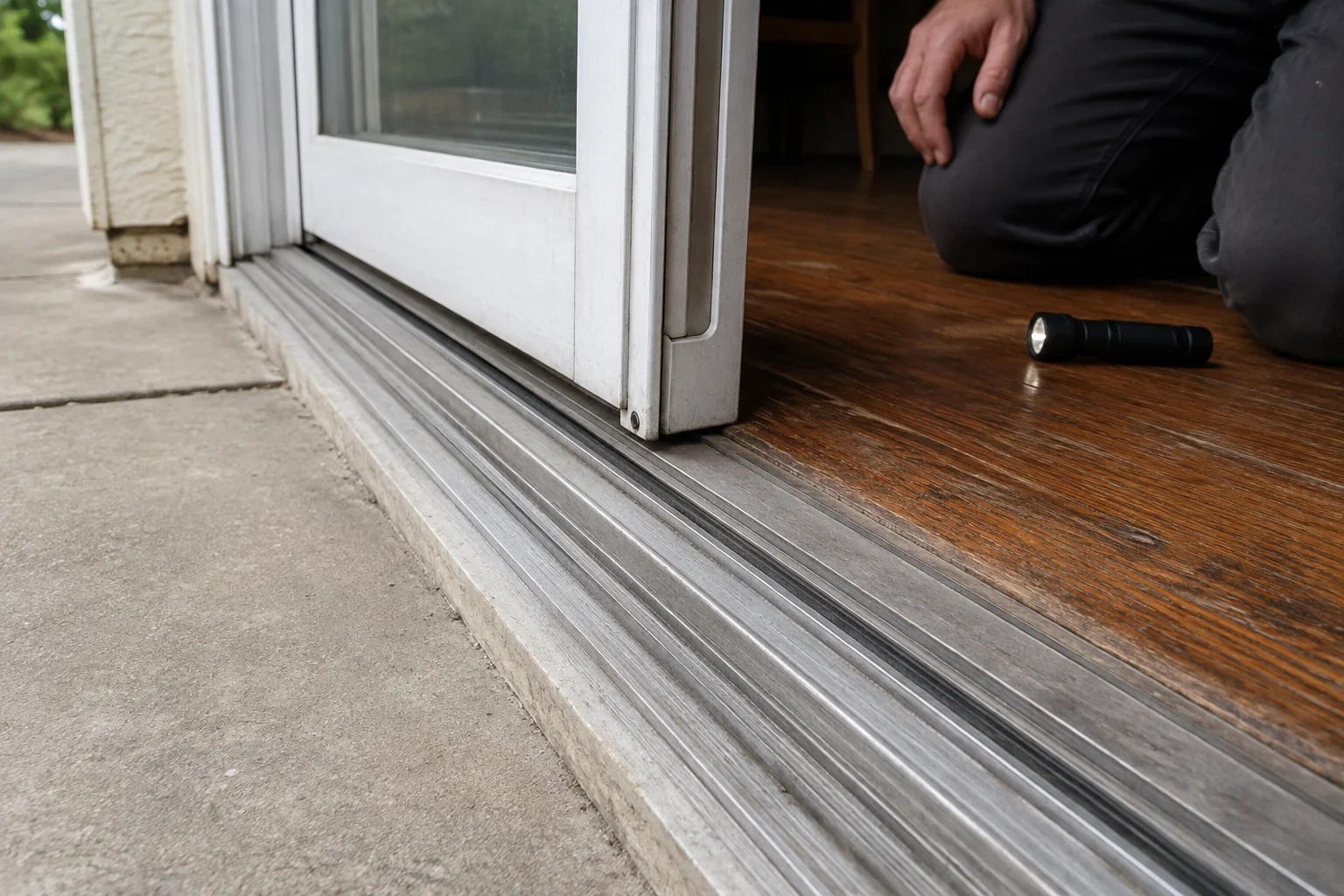
A sticking door
Start with the panel movement, track and rolling hardware.
Explore the service ↗
San FranciscoDoors & Windows
Explore window styles, patio doors and glazing options alongside the opening they need. Clarify product details, finishing work and the installation scope before comparing proposals.
(628) 278-4221Doors & Windows
Start with the panel movement, track and rolling hardware.
Explore the service ↗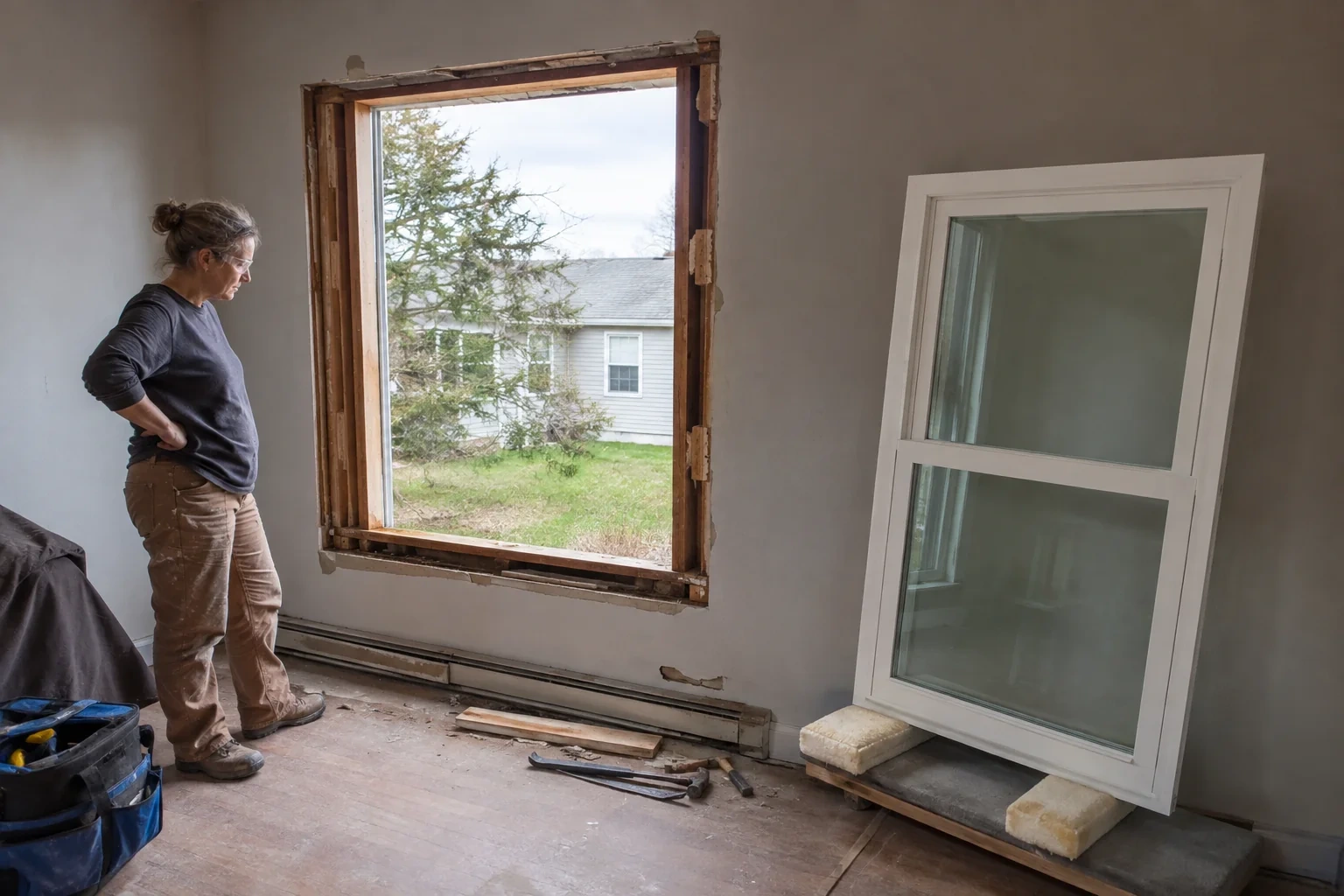
Doors & Windows
Compare retained frames, new units and finish restoration.
Explore the service ↗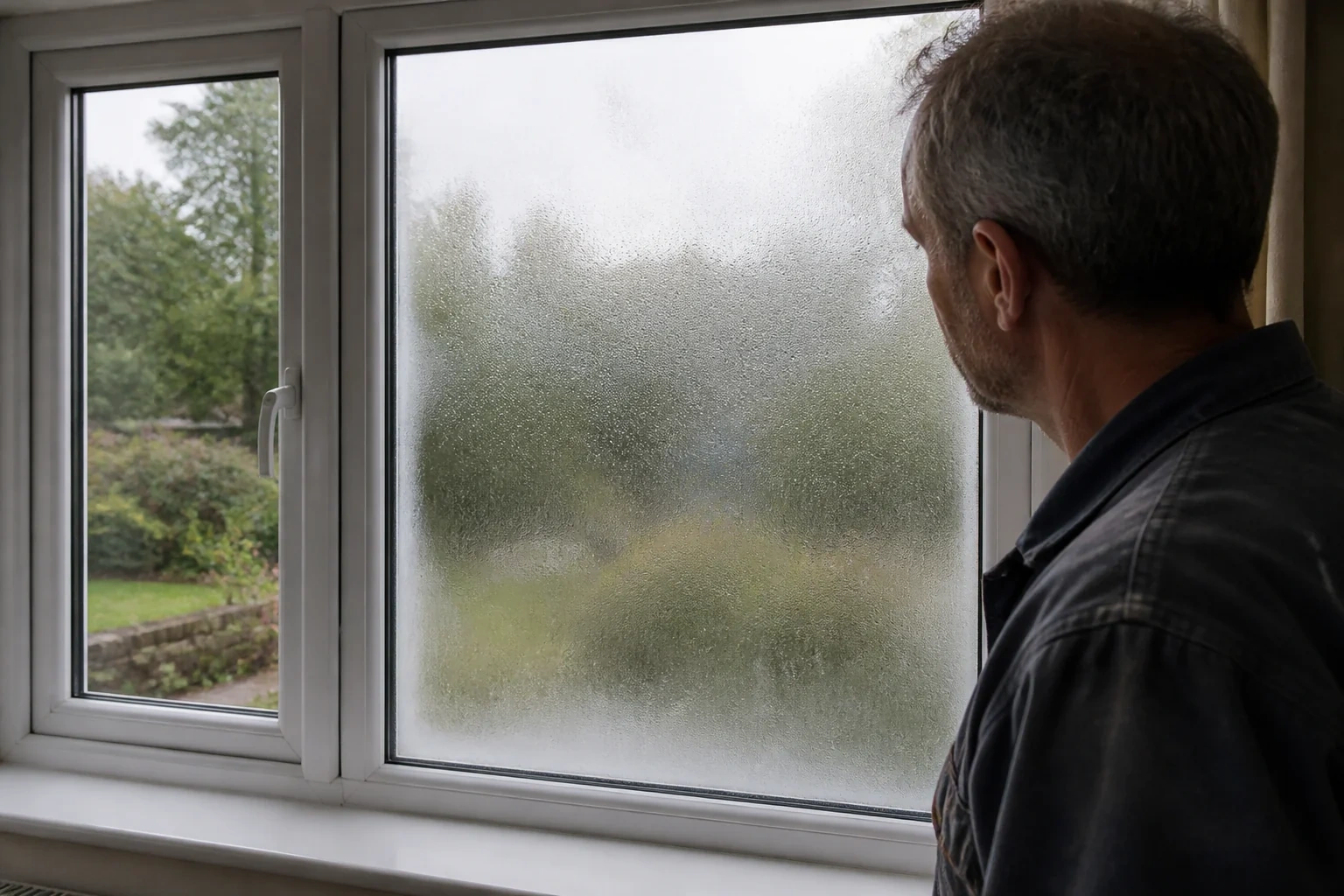
Doors & Windows
Identify the glass assembly before choosing replacement.
Explore the service ↗A closer look
Before the visit
San Francisco
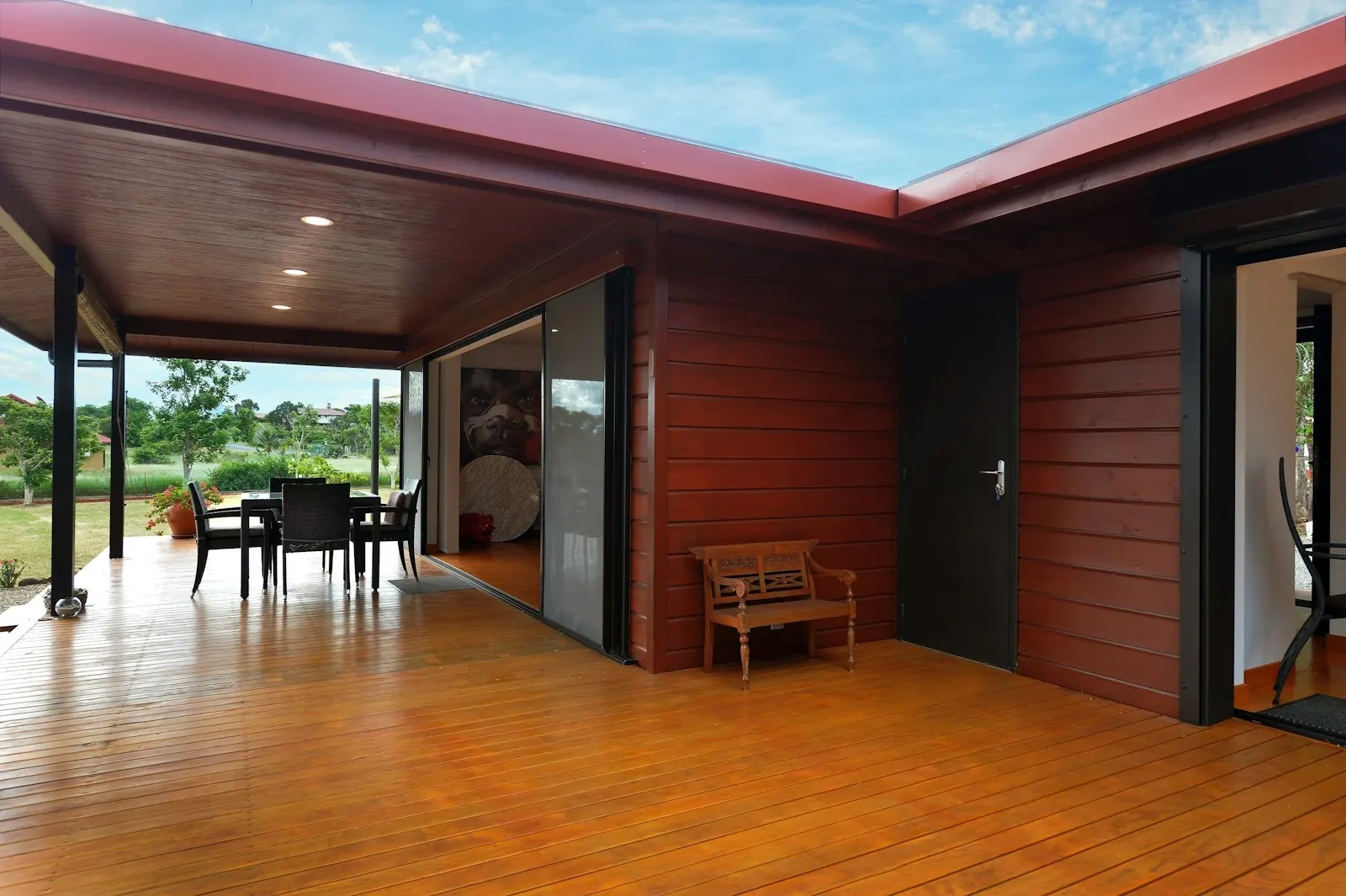
Explore the services for your property and confirm your address when you call.
The air district’s 2011 regional climate description explains that marine air crosses much of San Francisco, contributing to cool and windy conditions. It does not establish the condition of a particular door or building.
Source for local exposure ↗SF Planning’s window-replacement guide covers historic-property checks, application details and product information. It distinguishes in-kind replacement from expanding an existing window or adding an exterior window, and links to window-design standards. Use the guide to discuss the proposed work with the city. Confirm the address, opening changes and property-specific requirements; this reference does not establish eligibility or product compliance for a property.
Source for planning your work ↗California licenses contractors by classification, and the Contractors State License Board publishes the current list. Glazing work sits under C-17 Glazing Contractor, so it is reasonable to ask which classification a licence carries and to check the licence number with the board before glass or window work is arranged. The classification list describes the trades the state recognises; it is not a record of any particular company's licence, standing or suitability for your project.
Source for local context ↗Area-wide context is not a finding about your own property.
Before you decide
A sticking panel can involve rollers, track damage, alignment or worn seals. Ask which condition was observed and whether compatible parts are available. A sound frame may remain in place for a targeted repair; deterioration at the sill or frame can change that scope. Compare the actual findings before choosing a complete replacement.
Moisture between the panes is different from condensation on a room-facing surface. A proposal may replace the sealed glass unit while retaining a suitable sash and frame. Ask which component has failed, how the replacement glass is specified and whether the existing frame can support the work.
An insert retains a suitable existing frame and places a replacement unit within it. Full-frame work removes more of the assembly and exposes the opening for assessment. Compare retained materials, flashing work, trim restoration and the resulting clear opening rather than treating both proposals as the same job.
Compare the ratings for the complete product and its suitability for the local climate and project. U-factor and solar heat gain coefficient describe different aspects of performance. Ask which specified unit the label describes; a generic brochure does not establish the rating of the product being supplied.
Describe the opening, how it moves and what changed. Note whether a concern is with glass, the moving panel, hardware or the surrounding wall. If available, gather product labels, earlier invoices and photographs taken without dismantling the assembly. Explain access restrictions and keep people away from broken glass.
Ask which units and components are included, what remains in place, how access and removal are handled, and who restores affected finishes. Confirm product specifications, disposal, weatherproofing and completion checks. Any concealed damage discovered during the work needs an explained change to the agreed scope.
Tell us what needs work and we will call you back.