Doors & Windows
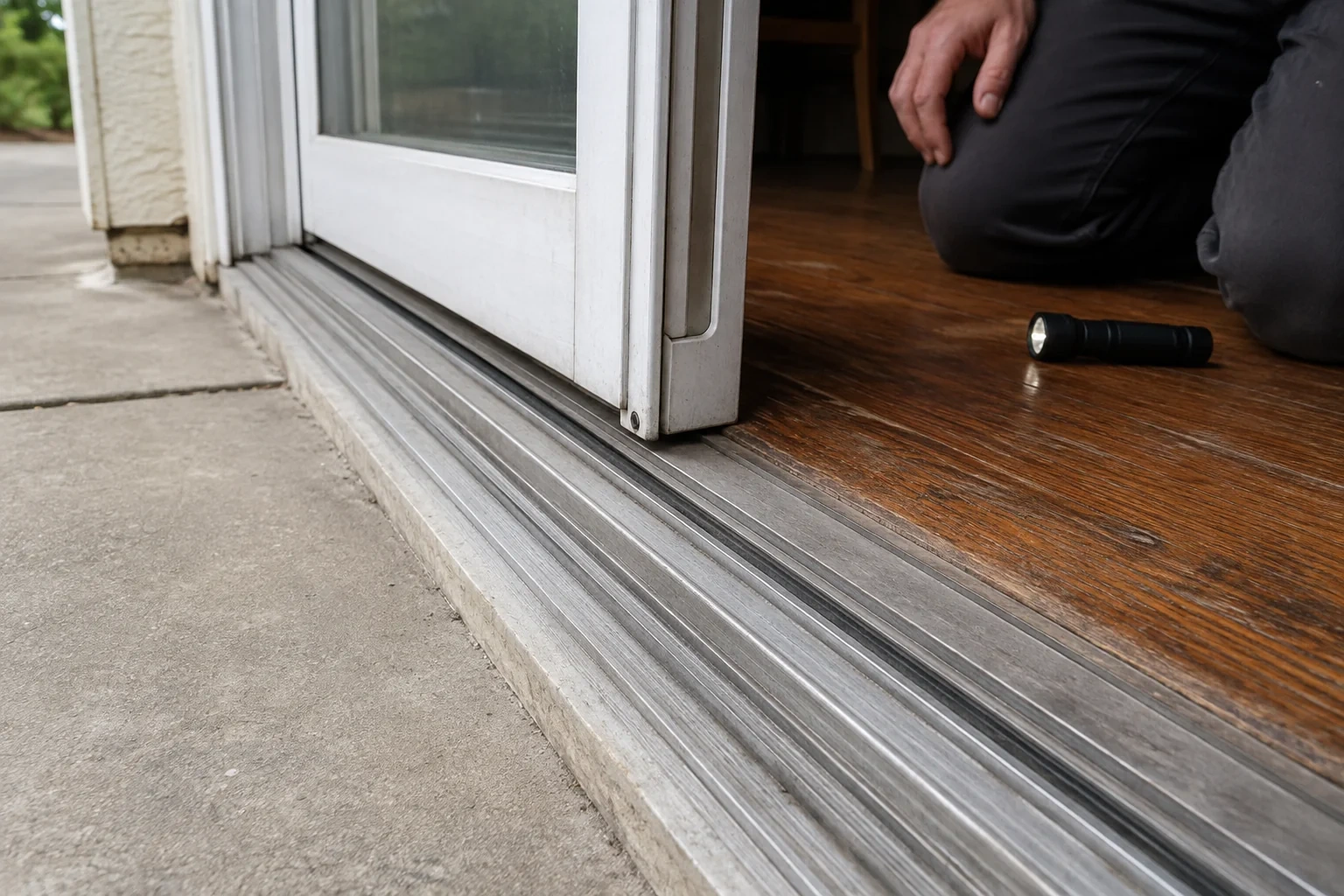
A sticking door
Start with the panel movement, track and rolling hardware.
Explore the service ↗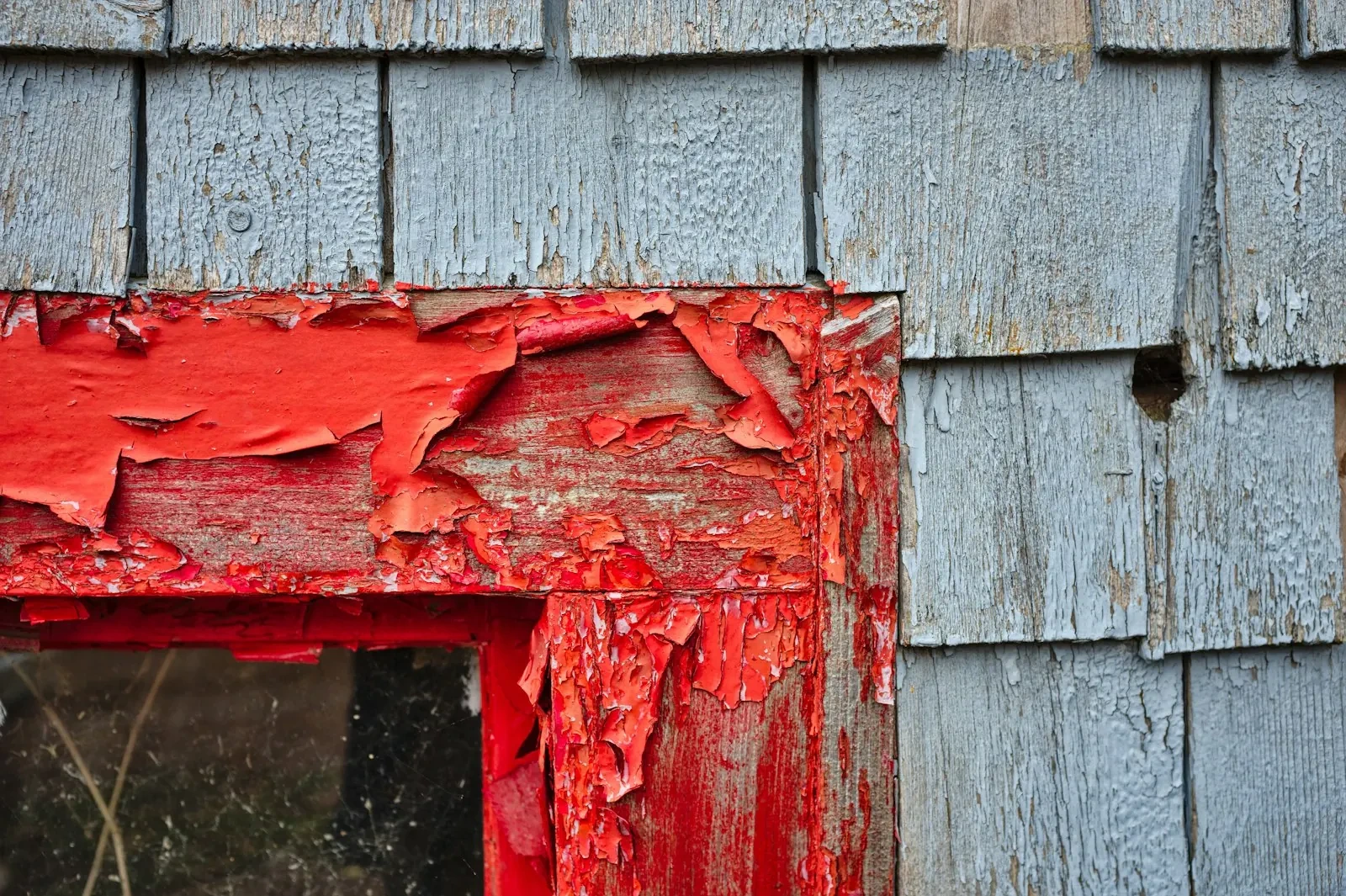
ChinatownDoors & Windows
Explore window styles, patio doors and glazing options alongside the opening they need. Clarify product details, finishing work and the installation scope before comparing proposals.
(628) 278-4221Doors & Windows
Start with the panel movement, track and rolling hardware.
Explore the service ↗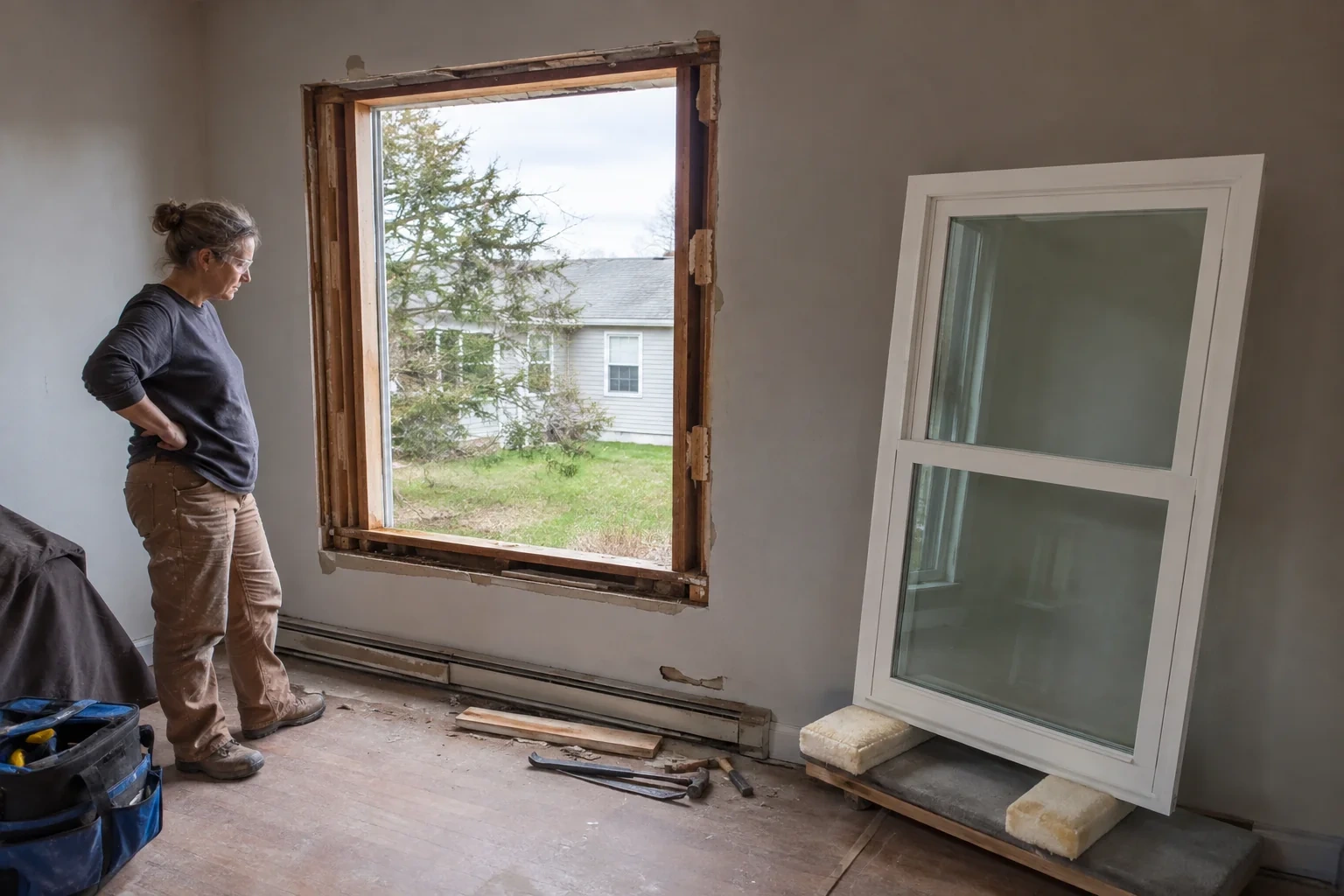
Doors & Windows
Compare retained frames, new units and finish restoration.
Explore the service ↗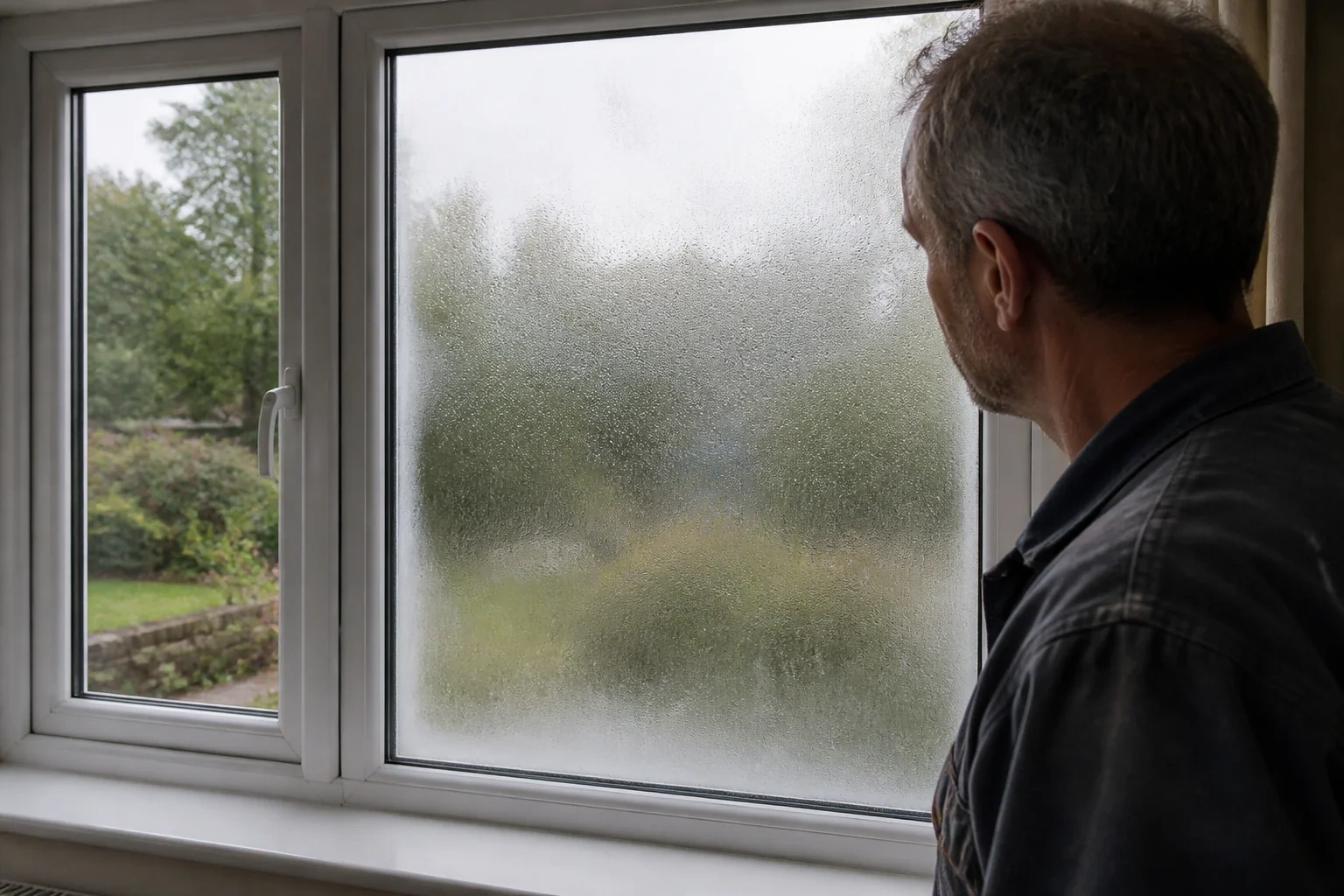
Doors & Windows
Identify the glass assembly before choosing replacement.
Explore the service ↗A closer look
Before the visit
Chinatown
Explore the services for your property and confirm your address when you call.
The area rebuilt on its original site after 1906, and some buildings reused original brick; its historic fabric includes many early post-earthquake structures.
Source for building history ↗The Chinatown Area Plan describes predominantly low, small-scale buildings, with many buildings relatively short in depth because of the lot pattern. This describes the district’s built form, not the equipment or condition of an individual property.
Source for housing context ↗The City identifies Chinatown as comparatively sunny and sheltered from wind, rather than treating it as a typical fog-exposed district.
Source for local exposure ↗The plan records more than 250 historically or architecturally important early post-earthquake buildings, so preservation-sensitive work is a realistic consideration.
Source for local context ↗San Francisco's Department of Building Inspection publishes step-by-step instructions for over-the-counter permits covering doors, windows, reroofing and other common exterior residential projects. The page lists in-kind window replacement and in-kind exterior door replacement, at the same size and location, among the projects eligible for over-the-counter review through the PermitSF portal, and separately says that new windows or exterior doors in new locations are among the projects that need plans. Read it before agreeing a scope, and confirm the address, the opening and the review route with the department. It does not decide eligibility, timing or requirements for an individual property.
Source for planning your work ↗Area-wide context is not a finding about your own property.
Before you decide
A sticking panel can involve rollers, track damage, alignment or worn seals. Ask which condition was observed and whether compatible parts are available. A sound frame may remain in place for a targeted repair; deterioration at the sill or frame can change that scope. Compare the actual findings before choosing a complete replacement.
Moisture between the panes is different from condensation on a room-facing surface. A proposal may replace the sealed glass unit while retaining a suitable sash and frame. Ask which component has failed, how the replacement glass is specified and whether the existing frame can support the work.
An insert retains a suitable existing frame and places a replacement unit within it. Full-frame work removes more of the assembly and exposes the opening for assessment. Compare retained materials, flashing work, trim restoration and the resulting clear opening rather than treating both proposals as the same job.
Compare the ratings for the complete product and its suitability for the local climate and project. U-factor and solar heat gain coefficient describe different aspects of performance. Ask which specified unit the label describes; a generic brochure does not establish the rating of the product being supplied.
Describe the opening, how it moves and what changed. Note whether a concern is with glass, the moving panel, hardware or the surrounding wall. If available, gather product labels, earlier invoices and photographs taken without dismantling the assembly. Explain access restrictions and keep people away from broken glass.
Ask which units and components are included, what remains in place, how access and removal are handled, and who restores affected finishes. Confirm product specifications, disposal, weatherproofing and completion checks. Any concealed damage discovered during the work needs an explained change to the agreed scope.
Tell us what needs work and we will call you back.